

Paralysis Physiotherapy

Paralysis Physiotherapy

Paralysis (Hemiplegia / Paraplegia / Diplegia / Quadriplegia)

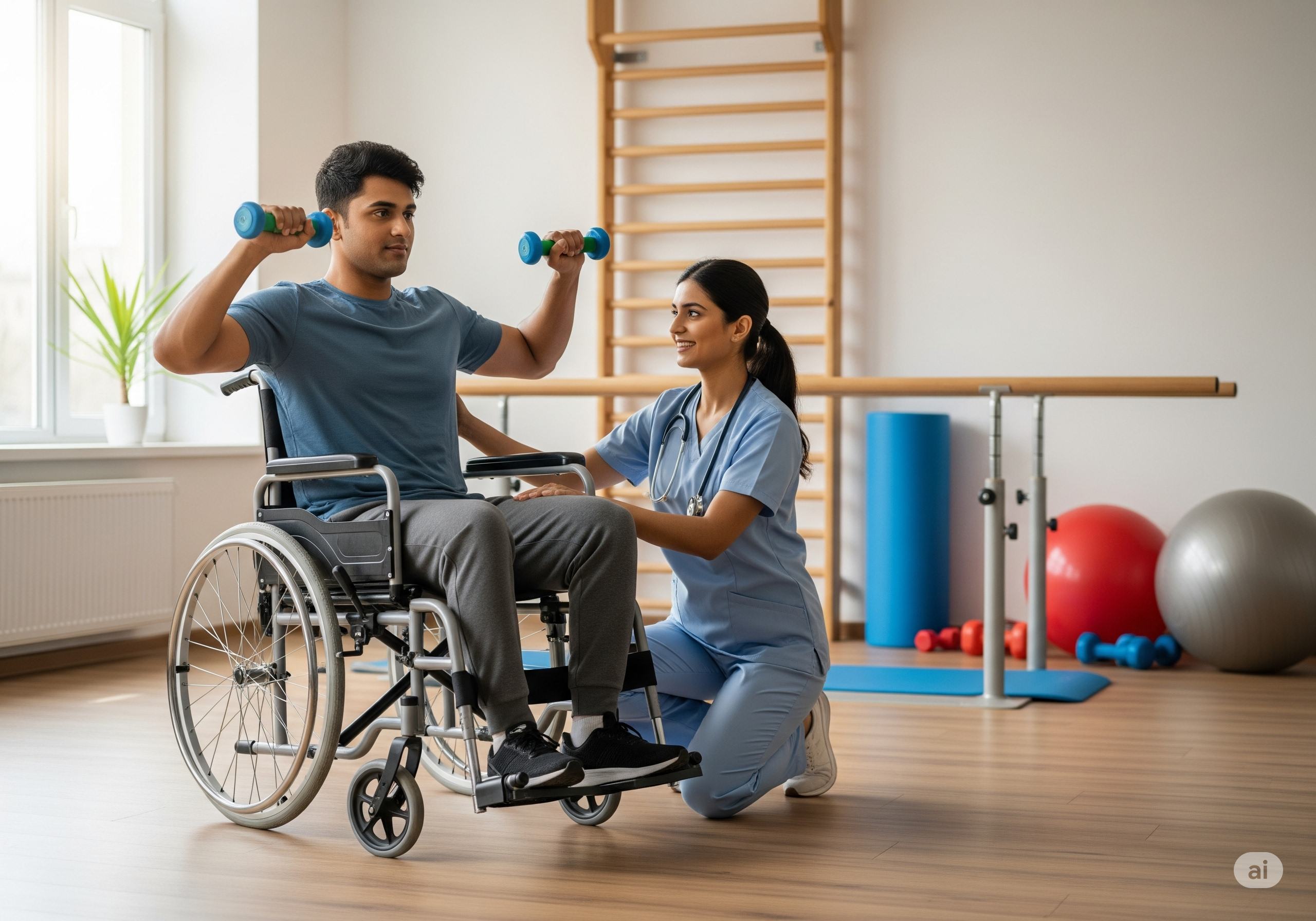
Paralysis is the loss of muscle function in one or more parts of the body due to conditions such as stroke, spinal cord injury, brain trauma, or neurological disorders. It can affect only one side (hemiplegia), both legs (paraplegia), both sides of the body (diplegia), or all four limbs (quadriplegia). Physiotherapy is a cornerstone of paralysis rehabilitation. It helps patients regain mobility, strengthen weakened muscles, improve coordination, enhance balance, and learn safe movement techniques. With regular therapy and proper guidance, patients can restore independence and improve their overall quality of life.

  • Is physiotherapy effective for paralysis recovery?

    Yes, physiotherapy is essential for recovery. It stimulates nerve and muscle activity, prevents stiffness, and promotes functional independence.

  • How long does it take to see improvement?

    Recovery time varies depending on the severity and cause of paralysis. Some patients see changes in weeks, while others need months of consistent therapy.

  • Can physiotherapy prevent long-term complications?

    Yes, regular physiotherapy prevents secondary complications like joint stiffness, muscle wasting, pressure sores, and poor circulation.

Our Benefits for Paralysis Rehabilitation

  • Improves mobility and independence in daily activities
  • Strengthens weakened muscles and prevents stiffness
  • Enhances balance and coordination to reduce fall risk
  • Promotes nerve stimulation and functional recovery
  • Prevents complications such as bedsores and contractures
  • Encourages safe walking, sitting, and posture techniques
  • Boosts confidence and overall quality of life